Digital Code Art

Not drawn. Coded.

I create pieces of art with code by coding every pixel, one pixel at a time. No brush. No drawing program. No AI image generator. Just an idea, real research, and thousands of lines of code that put every pixel exactly where I decided it goes.

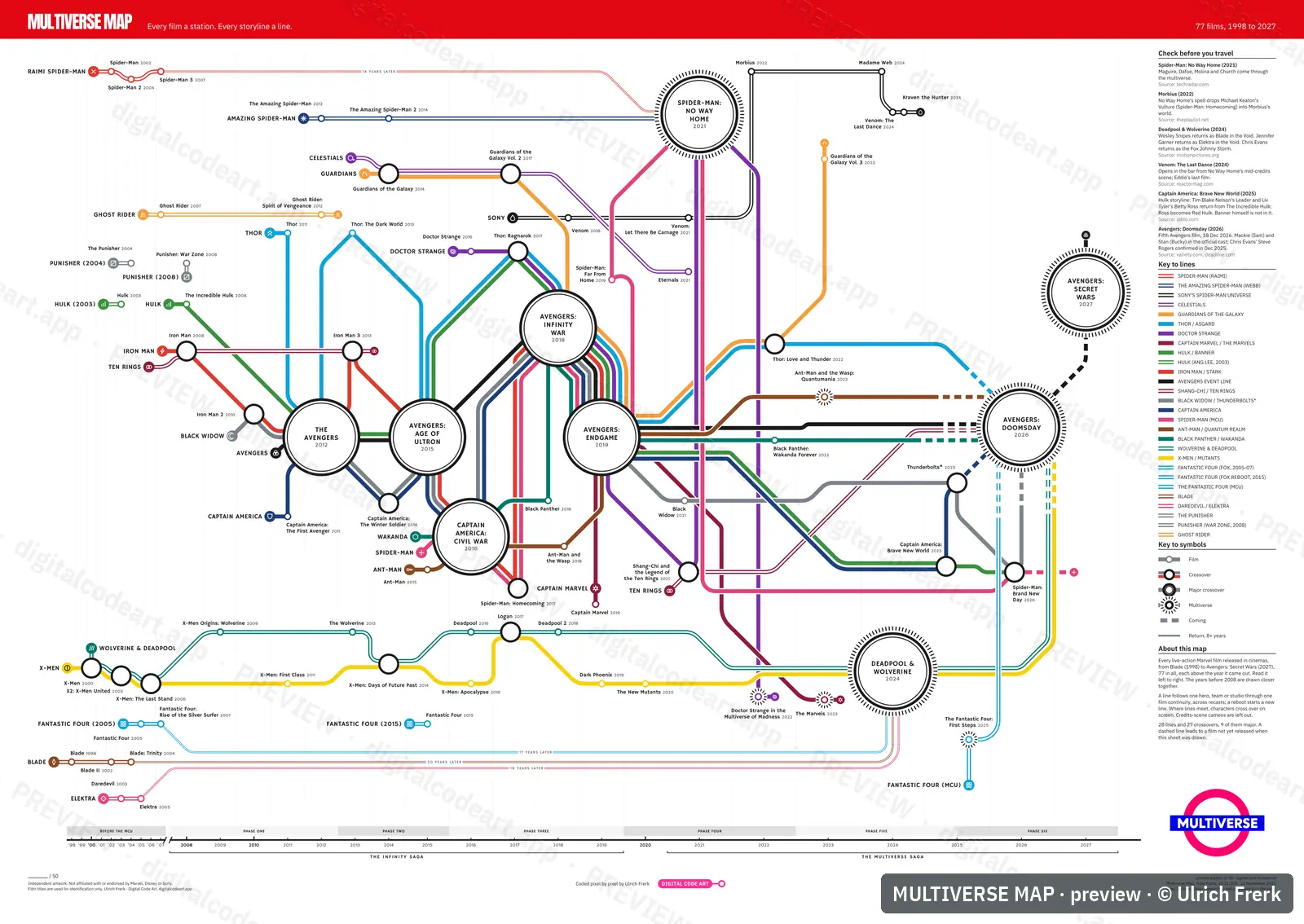
MULTIVERSE MAP by Ulrich Frerk: 77 films in a single piece of digital code art
MULTIVERSE MAP, 2026. This is the published preview. The print master is 14,043 × 9,933 pixels and is never published.
139 millionpixels in one print master, 14,043 wide by 9,933 high
5,610lines of Python written to make a single image
1,770lines of hand-researched data underneath it
60sources behind the 77 films in MULTIVERSE MAP
15automated checks a piece must pass before one print is made
37versions before I signed the first piece off

Artist statement

The artwork writes the code. The code makes the artwork.

I'm a builder. I've built technology for more than twenty years, and at some point the thing I was building stopped being a product and started being a picture.

I don't sketch and I don't paint. I write a program, and the program places every line, every colour and every letter. When I say I code every pixel, I mean it: nothing in a finished piece is there because a hand slipped or a tool guessed. Every pixel is where it is because I decided it, wrote it down in code and checked it.

AI is my studio assistant. It helps me research and it helps me write code faster. It doesn't choose the idea, it doesn't decide which story deserves the most room, and it doesn't decide when a piece is finished. I do, and my name goes on the print.
How a piece is made

Research first. Then every pixel.

A piece starts with a question I can't leave alone. For MULTIVERSE MAP it was this: can you hold thirty years of superhero cinema in one frame, and get every single connection right?

Then comes the research. Every film, every release month and every link between two stories has to come from a source I can point to. For that piece it was 60 sources and 1,770 lines of data before the picture was even allowed to exist. If a fact is wrong, the piece is wrong, so the facts go in first.

Then I write the code. 5,610 lines of Python that work out where each element sits, to a fraction of a millimetre. I don't drag anything into place. If something looks wrong I change the code and run it again. The first piece went through 37 versions like that.

Before anything is printed, the piece has to pass 15 automated checks: line weights the press can hold, type that stays readable, nothing overlapping, nothing approximated. Only then does the code render the master: 139 million pixels at 300 dots per inch, sharp from a metre away and from ten centimetres.

The print is giclée, archival pigment ink on Hahnemühle Photo Rag, a 100% cotton museum paper. It's printed by Print Art in Takapuna, framed by hand in Auckland, and signed and numbered by me in a limited edition of 50.

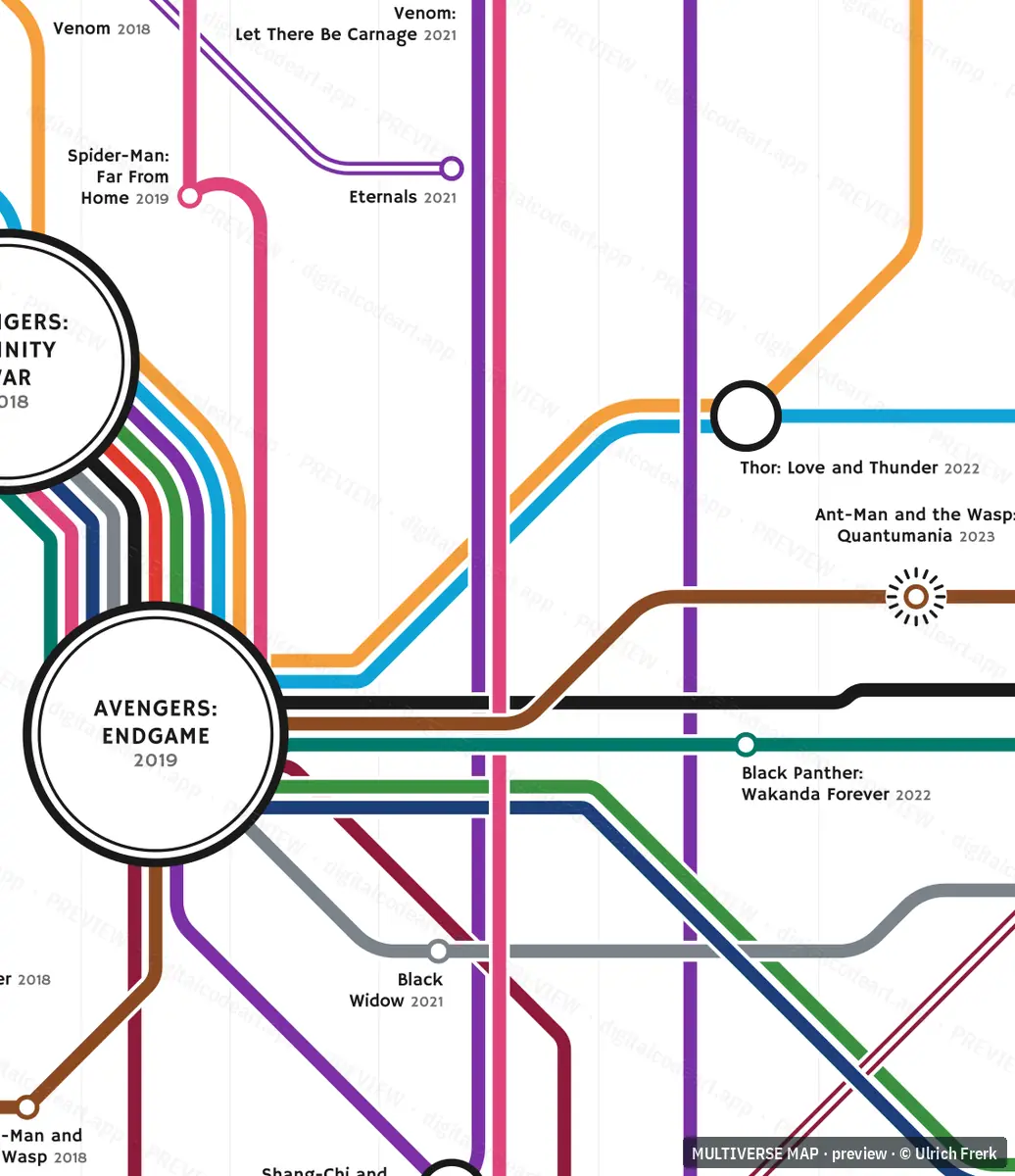
Detail of MULTIVERSE MAP at print scale: every line and label placed by code
A detail at print scale. Every curve here was calculated, not drawn.

Featured pieces

The work so far

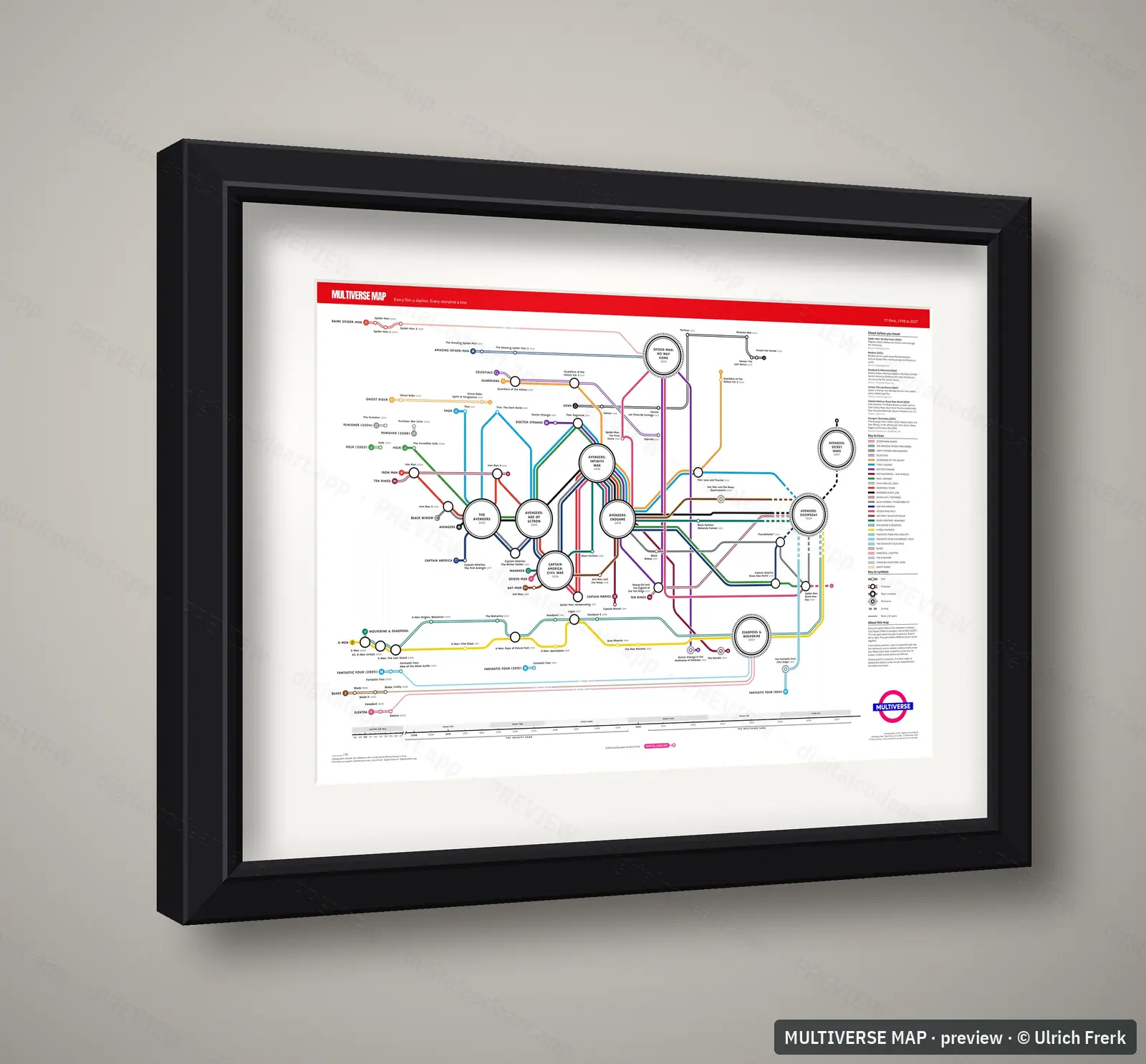
MULTIVERSE MAP by Ulrich Frerk, framed at A1 in a deep black box frame
Print · signed limited edition of 50

MULTIVERSE MAP

77 films, 1998 to 2027, in one piece. Every film sits on the exact month it reached cinemas, every storyline runs in its own colour, and every crossover is a sourced fact.

It's my first piece and the one that proved the method: research it properly, code it completely, check it without mercy.

See MULTIVERSE MAP ↗
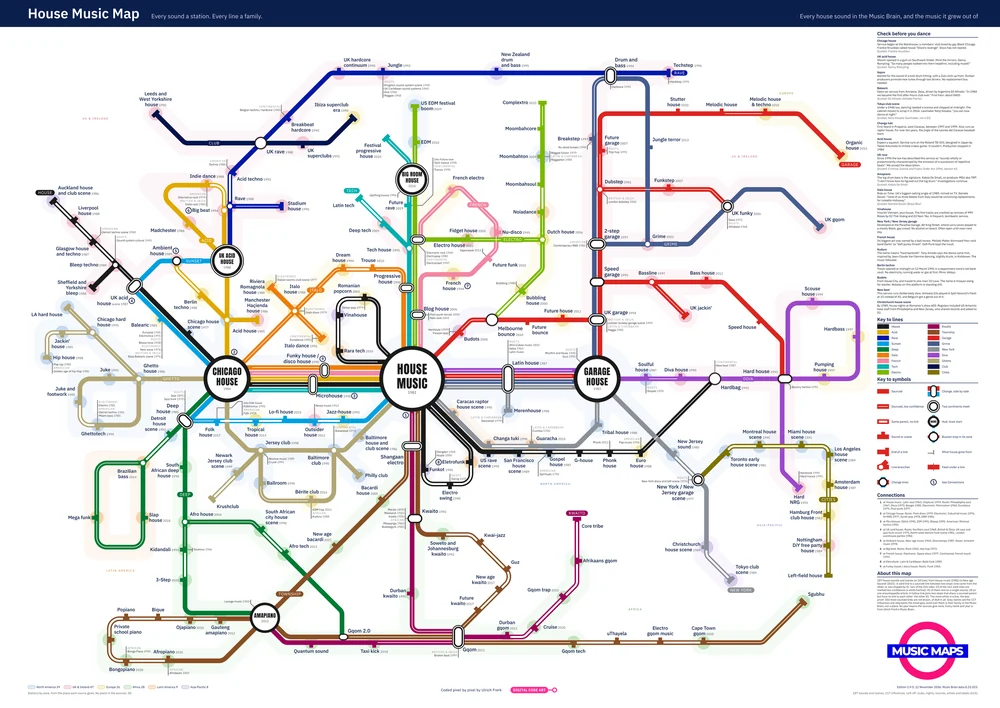
House Map by Ulrich Frerk, a work in progress: house music drawn as a transit map, every sound a station on a coloured line
House Map. Work in progress.
Music Maps: a pink ring crossed by a blue bar with the words MUSIC MAPS Work in progress

Music Maps

Every sound a station. Maps of music, coded pixel by pixel.

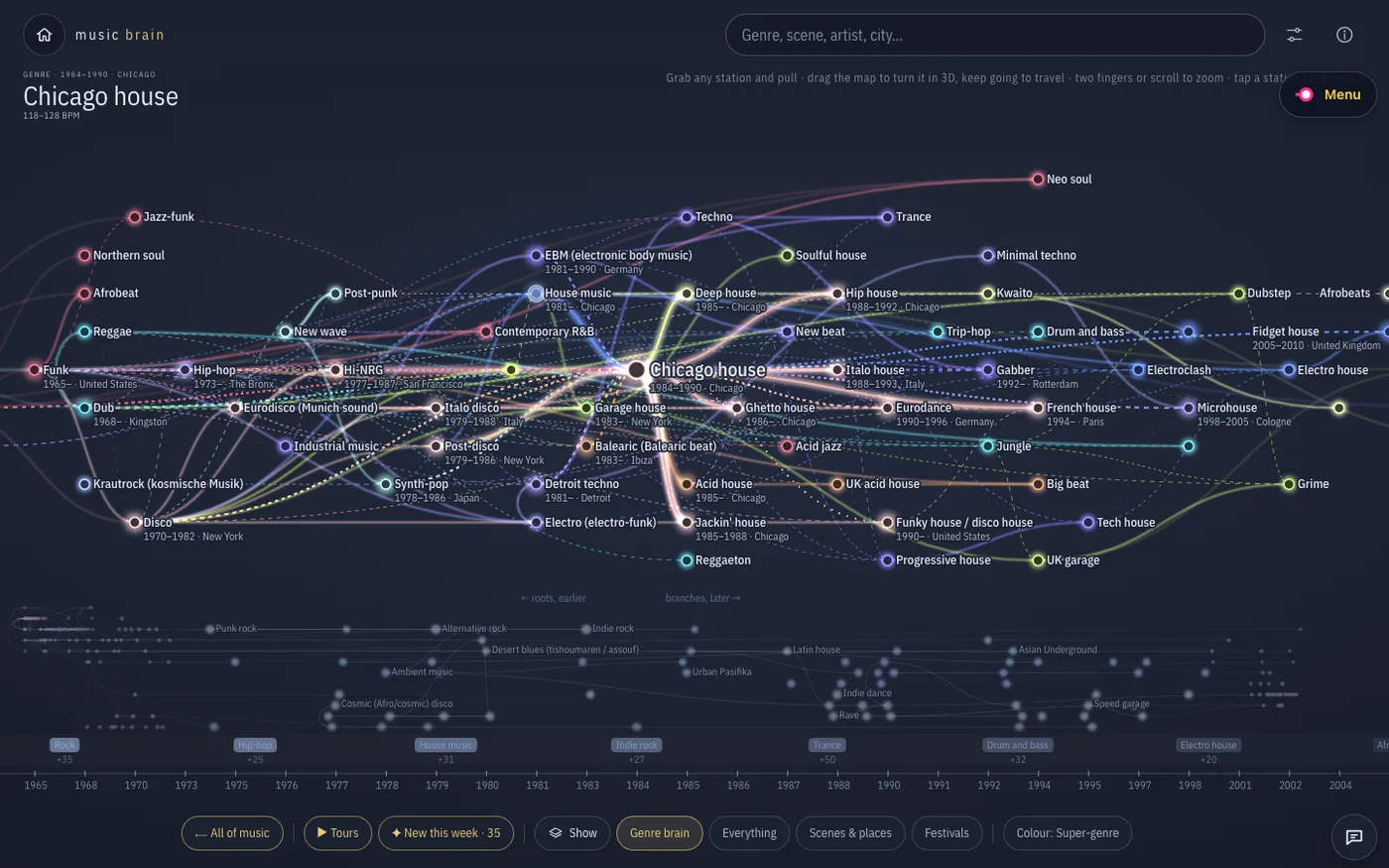
The Music Brain opened on Chicago house: the genre in the centre, its roots to the left and what it grew into to the right
Interactive

Music Brain

The research behind the music prints is a piece in its own right. It traces 4,088 genres, scenes, venues, artists and records, and the 14,992 links between them, each one with a source.

Pick any sound and it lays out where that sound came from and what it grew into. You can also turn it in 3D or let it play you a guided tour.

More about the Music Brain →

In motion

The pieces, moving

The code that renders a print can also move a camera through it. Each frame of these loops comes from the piece's own vector art.

MULTIVERSE MAP in motion. Iron Man (2008), Avengers: Endgame (2019), Spider-Man: No Way Home (2021) and Avengers: Doomsday (2026), then back out to the whole sheet.
Take the train. A 3D experiment: a small train follows the Iron Man line past Iron Man (2008) and Iron Man 2 (2010) to The Avengers (2012).
House Map in motion. From Chicago House to House Music, UK Acid House and Amapiano, then back out to the whole map.

MULTIVERSE MAP

Things you'll spot on the map

Every one of these is on the print, and every one is a fact from the data underneath it.

Three Spider-Men, one stationSpider-Man: No Way Home (2021) is the stop where the Raimi, Webb and MCU Spider-Man lines meet.
14 years laterThe Raimi Spider-Man line goes quiet after Spider-Man 3 (2007) and comes back in 2021. The gap is written on the line: 14 years later.
The Fantastic Four, three times2005, 2015 and 2025 each start a line of their own. No two of them share a station.
Blade's 20-year returnFrom Blade: Trinity (2004) to Deadpool & Wolverine (2024). Elektra waits 19 years for the same station and the first Fantastic Four line waits 17.
The busiest interchangeAvengers: Endgame (2019). 12 of the 28 lines run through it, more than any other station.
Now find yoursPick your favourite film and follow its line. Every stop on the way is a film that story really runs through.
The arcade

Nawa Asobi: an arcade I built in code

The same practice, with a joystick. Nawa Asobi is a working arcade that runs in your browser: a 3D room full of cabinets you can play.

It's my playground. I build it with AI, and I use it to test AI models and the conversation harnesses behind them. Every game is written in code, the same way the prints are.

Play at nawa-asobi.com ↗

32playable games,
and counting

Beyond the code

Paint and metal

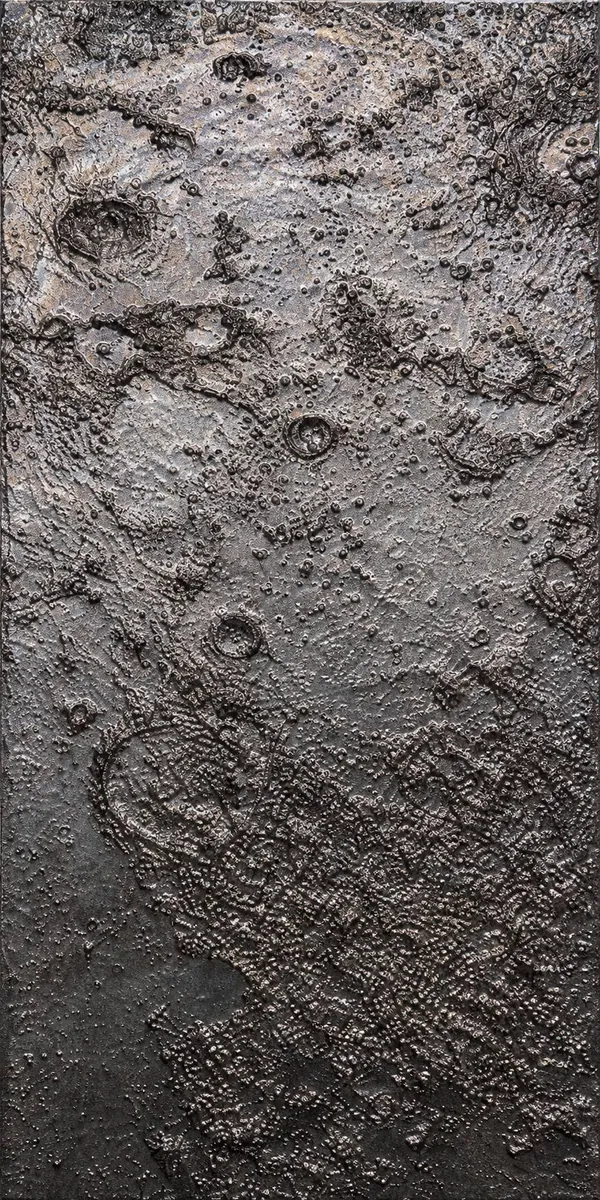
Moonscape by Ulrich Frerk: a tall silver relief of the Moon's surface, covered in craters, carved by CNC
CNC relief

Moonscape

A 3D lunar surface carved by CNC, 52 hours of machine time.

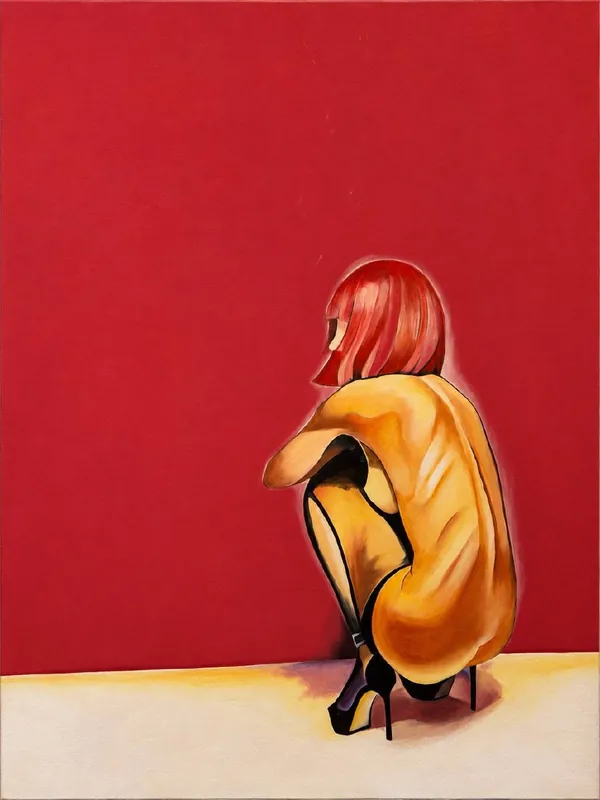
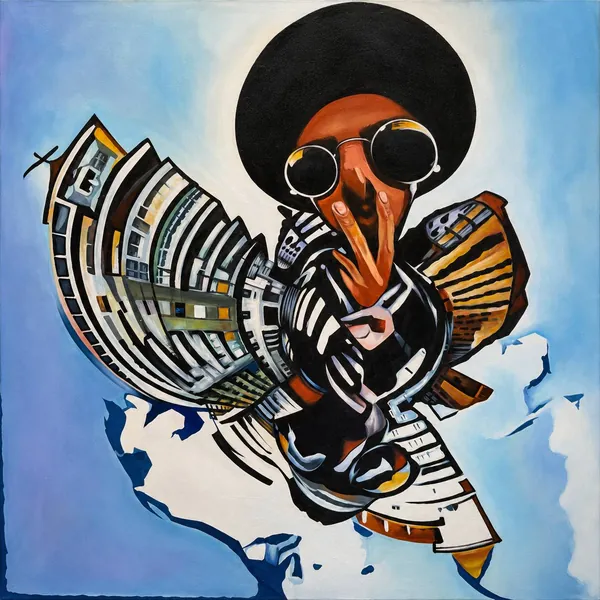
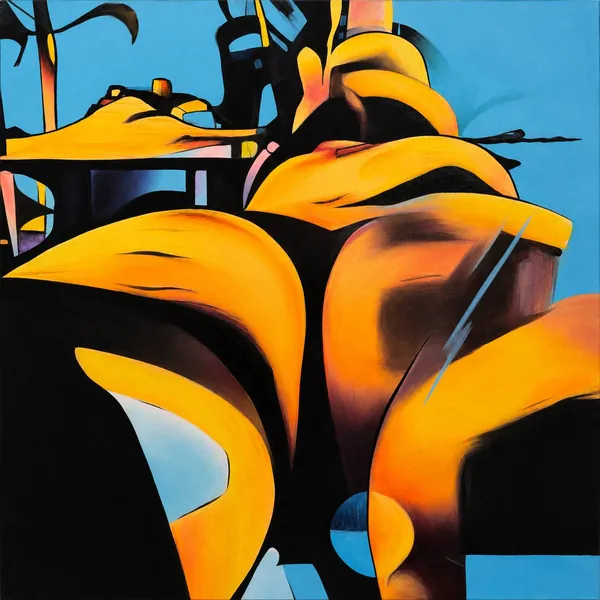
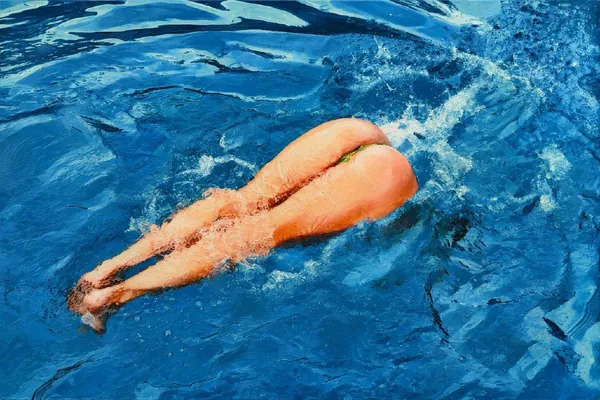
Paintings from my own photographs. I shot them and composed them in Photoshop, before AI, and an artist in Bali painted each one by hand, true to the photo centimetre by centimetre.

Painting from a photograph by Ulrich Frerk: a figure with a red bob crouching in high heels, seen from behind, against a deep red wall
Painting from my photograph
Painting from a photograph by Ulrich Frerk: a person with a large afro and round sunglasses making a peace sign above a city bent into a little planet, against a blue sky
Painting from my photograph
Painting from a photograph by Ulrich Frerk: abstract curved shapes in yellow, orange and black against a bright blue sky
Painting from my photograph
Water Goddess, a painting from a photograph by Ulrich Frerk: a swimmer diving into a bright blue pool, legs and feet still above the splashing water
Water Goddess. Painting from my photograph

Every image on this page is a low-resolution preview. The full work, the prints and the story of how a DJ from Auckland ended up making art with programs are at digitalcodeart.app.

My brain comes from the same habit: 2,617 of my notes and the 10,924 links that join them, built in code as a living 3D network.

See the art ↗ Ask about a print